SAD Bookclub: We Are Underlings by Doretta Lau
/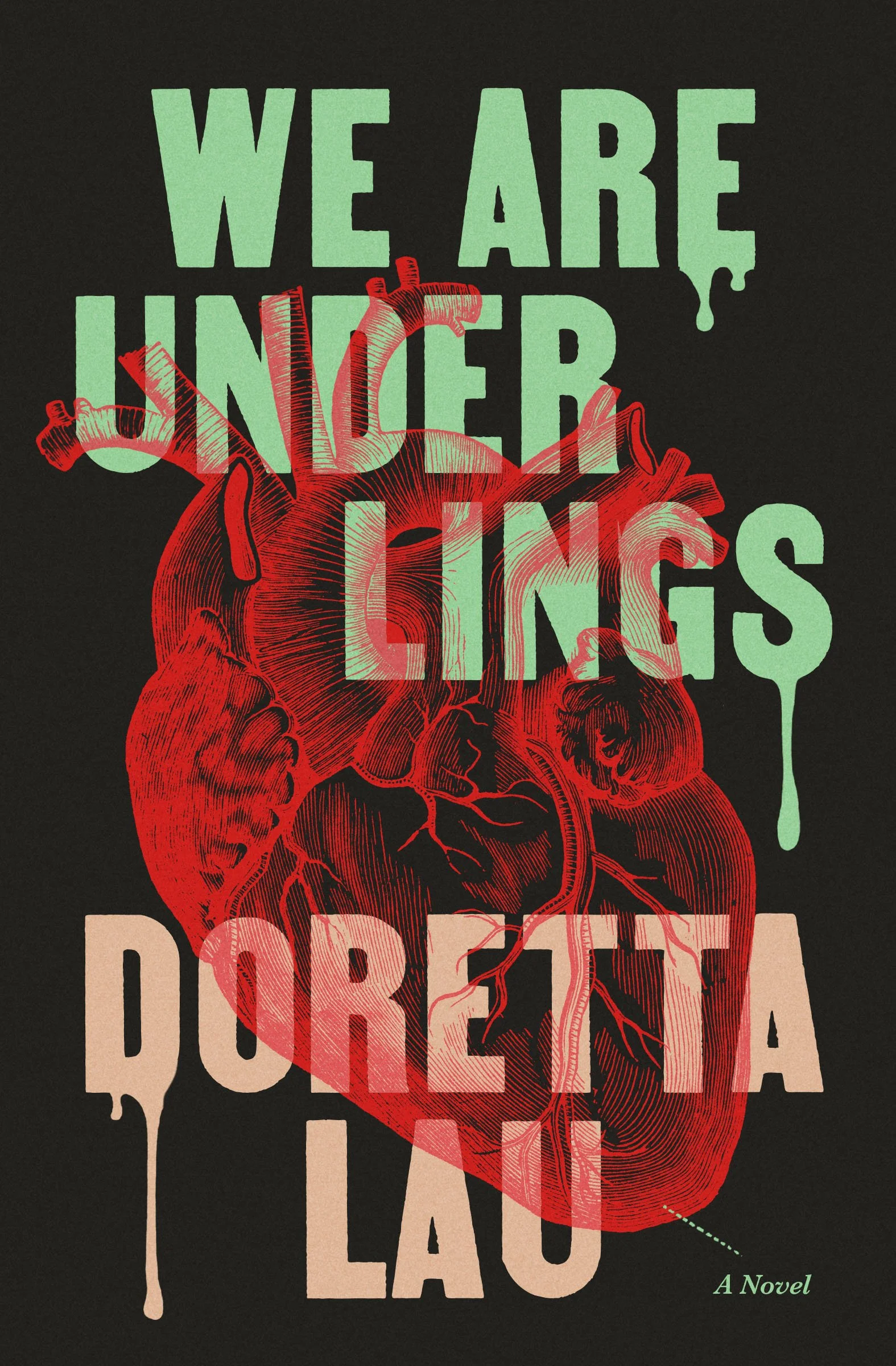
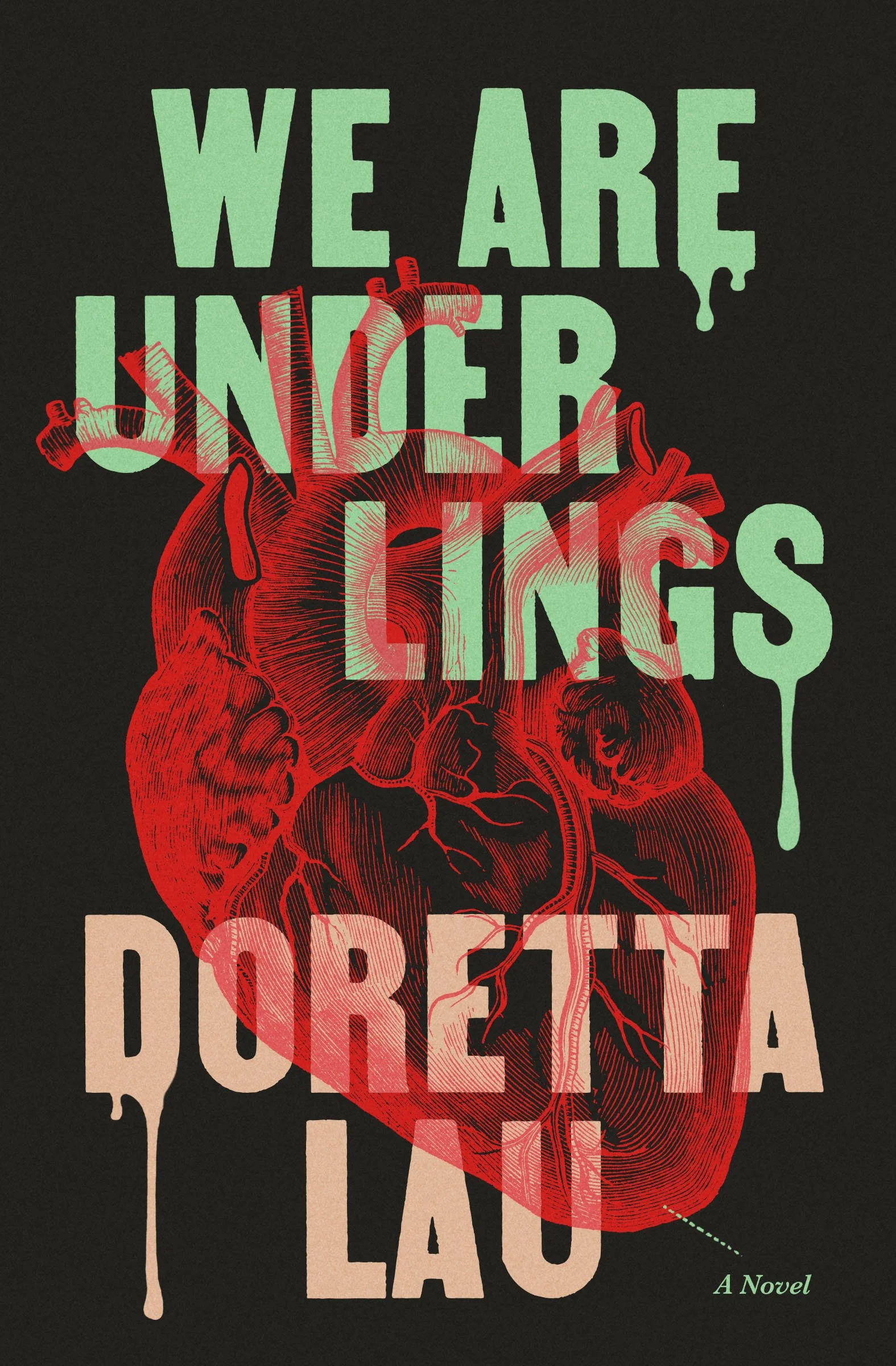
Work is hell. So it is in Vancouver author Doretta Lau’s 2026 murder mystery We Are Underlings. Zita Chang toils away as a corporate marketer, racing to get Nine Circles, a theme park in Hong Kong dedicated to death, dying and the afterlife, across the finish line for opening day despite bloviating department heads and inefficient workflows. When the CEO turns up dead, Zita and her colleagues have to both investigate the crime and cover it up so the park can open on time. Under NDA orders from their superiors, they reanimate his corpse to lead the company as a figurehead, while covertly searching for his killer. It’s a breezy Halloween read about the soul-sucking nature of corporate work.
The term “hauntology,” from philosopher Jacques Derrida, describes how historical patterns recur like spectres to shape the present. In the world of We are Underlings, hauntology has moved beyond academic philosophy into an industry. Zita is the daughter of a successful “hauntologist,” a scholar of death and the afterlife. After his death, she takes the job at the Nine Circles to bring his work to life (or what passes for it in this world’s version of resurrection). The theme park is bankrolled by a flower company as a marketing scheme to sell funeral wreaths.
Lau’s angle isn’t subtle: "We disrupt the natural order doing our work to demystify dying, death, and the afterlife, all in service to capitalism,” Zita internally monologues.
Staff “hauntologists” are responsible for creating the themed attractions. Some parts of the park celebrate the rituals we perform to give life and death meaning, like a pyre where visitors can burn offerings to ancestors. Some are darker, like an exhibit featuring the actual crime scene from a famous murder.
Lau takes the cultural impulses responsible for the rise of the true crime genre and dials them up to their unsettling conclusion. She isn’t subtle about her influences either. As Zita investigates the case, she references the podcast My Favourite Murder: “Stay sexy and don’t get murdered,” she tells her coworkers as they race to solve the crime. As someone who also sensationalizes death for a living, it makes sense that she would be a fan.
Zita’s first-person narration is darkly comedic and laced with pop culture references that date her as a recognizable type of millennial girlboss. She’s focused more on her deadlines than on the deaths that surround her, even as she tries to bring the killers to justice. The real horror is the omnipresent ping of a Slack message and suffering the incompetence of a micromanaging superior.
Lau presents hauntologists’ spirit-summoning less like a seance and more like a chatbot. Technicians program bodies with the data of the deceased to create uncanny animatronics. In the absurdist world of We Are Underlings, nobody seems as disturbed as they should be. The world-building of “hauntology” is vague on details, but Zita’s corporate world is comprehensive and borderline exhaustive. Lau doesn’t explain exactly how or why the hauntologists reanimate corpses, but we know the precise process to get marketing copy for their exhibits and merch approved. The book strips death and murder of its gravitas and mystery, as if embodying the internal philosophy of the Nine Circles for readers. Its focus on the bureaucratic hoops of the Nine Circles makes its point about how corporate culture turns workers into the walking dead. It displays the scorching but defeated fury of life under capitalism, ever-present in the workaholism of Zita’s choices.
However, Zita’s on-the-nose narration often leaves more emotional questions unexplored. What comfort does Zita find in hauntology, and why does the theme park matter to her, or to anyone? What are the implications of a society so disconnected from the sanctity of death and grief that serial killers become a tourist attraction? While Zita is clearly aware of the ethical harms of commodifying death into marketing stunts, letting us know time and time again her frustration with the direction the theme park has taken, she ultimately sticks with the project. Zita believes in the Nine Circles, as it allows her to engage with her father’s legacy of hauntology. However, what “hauntology” tries to accomplish remains frustratingly vague, circling the emotional centre of Zita’s grief over her father, but never truly arriving at it.
The story gains texture when it engages with its setting. Lau sets up interesting tensions between Nine Circles, an international company, and Hong Kong, a place shaped by its colonial past and hyperfinancialized present. A theme park about death and dying is a tough sell in China, where frank discussion of death is considered taboo, and the project draws controversy from local news. And while much of the local staff understand the public reaction, the English-speaking management pushes forward regardless. Imperialist norms haunt the boardrooms, just as the spectres of colonial occupation remain visible on Hong Kong streets named after British opium merchants.
Zita, who is Chinese-Canadian from Vancouver, observes the politics of the project with a critical eye. Still, she ultimately champions its mission: Better to acknowledge our ghosts openly, if imperfectly as tacky tourist attractions, than to pretend that the past stays buried.
Tova Gaster is a writer based in Vancouver. Her work, focusing on climate, ecology, and culture, has appeared in publications including the Georgia Straight and the Energy Mix.