SAD Friend: Found You Magazine launches "Isolation Issue" Kickstarter
/The Isolation Issue is a collection of deeply personal stories and images, all of which play with the theme of "isolation" in response to current affairs.
Read MoreThe Isolation Issue is a collection of deeply personal stories and images, all of which play with the theme of "isolation" in response to current affairs.
Read MoreJames Lauder stood out while attending his first concert, a Marilyn Manson show, at age 16.
“It wasn’t typical to see a little punk gay boy in Vancouver at that time,” the artist recalls two and a half decades later.
The graphic designer turned tattoo artist continues to push against stereotypes today, particularly those surrounding masculinity. If Disney is ever interested in entering the world of illustrated LGBTQ2IA+ soft porn, Lauder should be their first call. His portfolio spotlights bubble-butt men in bubble-gum vignettes, and female characters who are rough around the edges. While COVID-19 may have temporarily shuttered the queer-focused private studio he’s based at, SAD sat down to talk with James about his transition to permanent ink, and how this pandemic is impacting his art.
SAD: When would you say art entered your life?
JL: Like most people who make art, I started pretty young. As soon as I could pick up a pencil I was drawing. My mom has lots of photos of me drawing people.
SAD: What’s been your journey with art since?
JL: The mediums have changed over the course of time, but I’ve been making stuff my whole life. Originally, throughout highschool it was drawing. Art was the one course I was ever good at. After highschool I went into animation, and worked in post production for seven years.
Then I worked retail for a couple of years as the special events MUA for Holt Renfrew. I went back into post production animation, then got into graphic design and started my own design practice, as well as teaching at VCC and Emily Carr.
SAD: How long ago was that? And why did it feel like the right time to transition?
JL: I started tattooing 4 years ago, after researching and trying to get as much information as I could on histories, important artists, techniques, health & safety and application. I also spent a long time building up my pen + ink drawing skills in order to make work that was tattooable.
My sister worked at the front desk of a tattoo shop for a number of years which was also a huge help. The big shift for me came after being tattooed by women. I’d mostly been tattooed by male artists, straight, cis—all super friendly but transactional. I couldn’t see myself in those environments. But when I started getting tattooed by women like Nomi Chi, Shannon Elliot—it gave me a different perspective on what tattooing could be like. It’s a big commitment and I don’t take it lightly. It was a slow transition with a big learning curve. It was one of the most challenging things I’ve ever done but also the most rewarding truest expression of my practice.
SAD: How would you describe your tattooing style?
JL: Well, first from a clients perspective it can be a much more inviting and comfortable space to be vulnerable in. It can be like hanging out with a friend—being able to have comfortable conversations and use shorthand. Maybe people who are feeling more like they’re needing a safe space where they can be comfortable to relax. It lets them focus on the experience of being tattooed, they can have a conversation rather than feeling like it’s something in the back of their mind. “Does this person know I’m queer or trans and would that be an issue?”
SAD: Why is it important to have a queer centric tattoo space in Vancouver?
JL: Well, first there’s the client perspective. It can be a much more inviting and comfortable space to be vulnerable in. It can be like hanging out with a friend—being able to have comfortable conversations and use shorthand. Non-queer people sometimes feel more comfortable there as well. Maybe people who are feeling more like they’re needing a safe space— like a person realizing they’re transgender and worrying—where they can be comfortable to relax in queer space. It lets them focus on the experience of being tattooed, they can have a conversation rather than feeling like it’s something in the back of their mind. “Does this person know I’m queer or trans and would that make this uncomfortable?”
For artists working the space, it’s so nice to not have to worry about having certain conversations, we're able to be ourselves. However you’re going to make art or express yourself is more honest when you don’t have to adhere to the sense or idea of how tattooing should be, or when you’re not performing a gender.
SAD: How does tattooing compare to the other mediums you’ve made art through?
JL: With a piece of art on your wall, you can take off, tattoos are permanent (I guess you could always cover up or laser a tattoo on your body). I don’t take the responsibility of putting art on people’s bodies lightly. I’m appreciative of them wanting work from me , I know that getting tattoos changed the way I saw and expressed myself. Being able to give that to someone else feels good. There’s a lot of elements to tattooing that feel really good, you get to have some great real conversations and real moments with people.
LEATHER + METAL BY James LAUDER
SAD: Is there one tattooing experience from over the years that stands out to you?
JL: I had done a bunch of illustrations of men crying, flash designs , and then someone came in for a custom piece. He didn’t give me much information other than what he wanted it to look like, and where he wanted it. When he came in to get tattooed, I kind of had this idea in my mind that he was queer and what it was about (I don’t push for people to give me information if they want to keep the meaning private). But when we got talking, I realized it was completely not what I thought it was. He would probably identify as straight, his partner had recently taken her own life recently, and he wanted to express the pain he was feeling and expressing that was important. For him, it was a way to say “I can be a guy and I can cry and that’s a powerful thing.” It blew me away. One, that he felt comfortable telling me that and two, that I was the person to help express that for him. It also challenged my assumptions about who this person was and what it meant to them. Some tattoos can mean a lot and some don’t and that’s fine either way. You can't make assumptions about people, and what their tattoo or appearance might indicate about them.
SAD: How has the pandemic affected your art?
JL: It took me a while to process it and not be sad about it, and then go on to what I can do. I can still make art, I can’t put it on people, but I can make art that helps other people. A lot of marginalized communities are being more affected by this than the general public, and issues around funding and visibility were affecting them long before the pandemic. For me, now I’m thinking about how I can support people in the community, people who have a hard time with food security or access to health care. Whether it’s making a sign in my laundry room or marking art work to raise money for the food bank...whatever it might be. I’ve definitely been looking at what kind of imagery I’m putting out there. That’s difficult, right now I feel more comfortable exploring images around what I was feeling internally. I also think art that makes you laugh or feel uplifted is just as valid, though. There’s a lot of pressure to have a big idea to solve a lot of problems right now. That's a lot to take on. I’m thinking about ways to direct money or attention to people trying to solve everyday problems.
VIRGIN CHER BY James LAUDER
SAD: Are you able to see any silver linings from this new way of life?
JL: I think I've always been very appreciative to be able to do the thing I really love. Now I’m just more appreciative in general for all the people who make it possible for us to do the things we do, like front line workers and people at grocery shops. While there’s lots of shitty things, there’s also a lot of potential to wake people up about what’s important so we can fight for those things when life goes back to “normal.”
You can view James’ art through his website or Instagram @mrlauder
“How do we take the content we were going to do in person and put it online?”
Art Connects, a bi-weekly interactive series is the answer VAG came up with. On Tuesdays and Fridays, folks can sign up for free Zoom sessions that range from a curatorial “tour” of a current exhibition, an artist talk, or a conversation about a broader art issue or question.
Read More
ILLUSTRATION: SEAL WOMAN. DISCOVER MORE ART THROUGH MAYA’S INSTAGRAM @MKCHIBS OR WEBSITE MKCHIBS.COM
Featured Artist of the Month Maya McKibbin shared in her interview with SAD web editor Becca Clarkson that growing up on the West Coast has certainly influenced her art: “I think it also plays a lot into identity. And I have a lot of questions about identity as a queer person and as an Indigenous person who grew up on the West Coast in a territory I’m not from.”
Maya's illustration Seal Woman inspired this month’s nature-bound playlist. This mix is made up of tunes from Indigenous musicians and gives you an opportunity to connect with storytellers and the unceded territories of the West through your headphones. Stay home, and stay safe!
“The pressure cooker of this event is the ultimate creative set-up,” says Colour Sound Lab’s Tara Travis. “You can take a creative idea and pick it apart and perfect it for years. The limitations of [Theatre Under the Gun] expand creative options because there’s no time for second-guessing. You just have to go for it.”
Read More“I feel like I kind of cringe when I think of myself as an artist. I see the term artist as a very fluid thing, and I’m very structured in what I think of and what I do. This is very much my career, so that makes me feel like less of an artist because it’s part of my sustainability. I’ve been having these feelings a lot these days in the corona lockdown. I work and I work, and I can’t go out after, but I don’t feel like drawing more because I just did that all day. I’m finding it hard to find the creative energy to dig down and do music and writing, even though it feels like now’s the time. “
Read MoreIn this Q&A, Lim shares what she’s been up to since winning the 2018 CBC Poetry Prize for her poem on grasping a culture she feels a part of but also separate from, “Arrhythmia.”
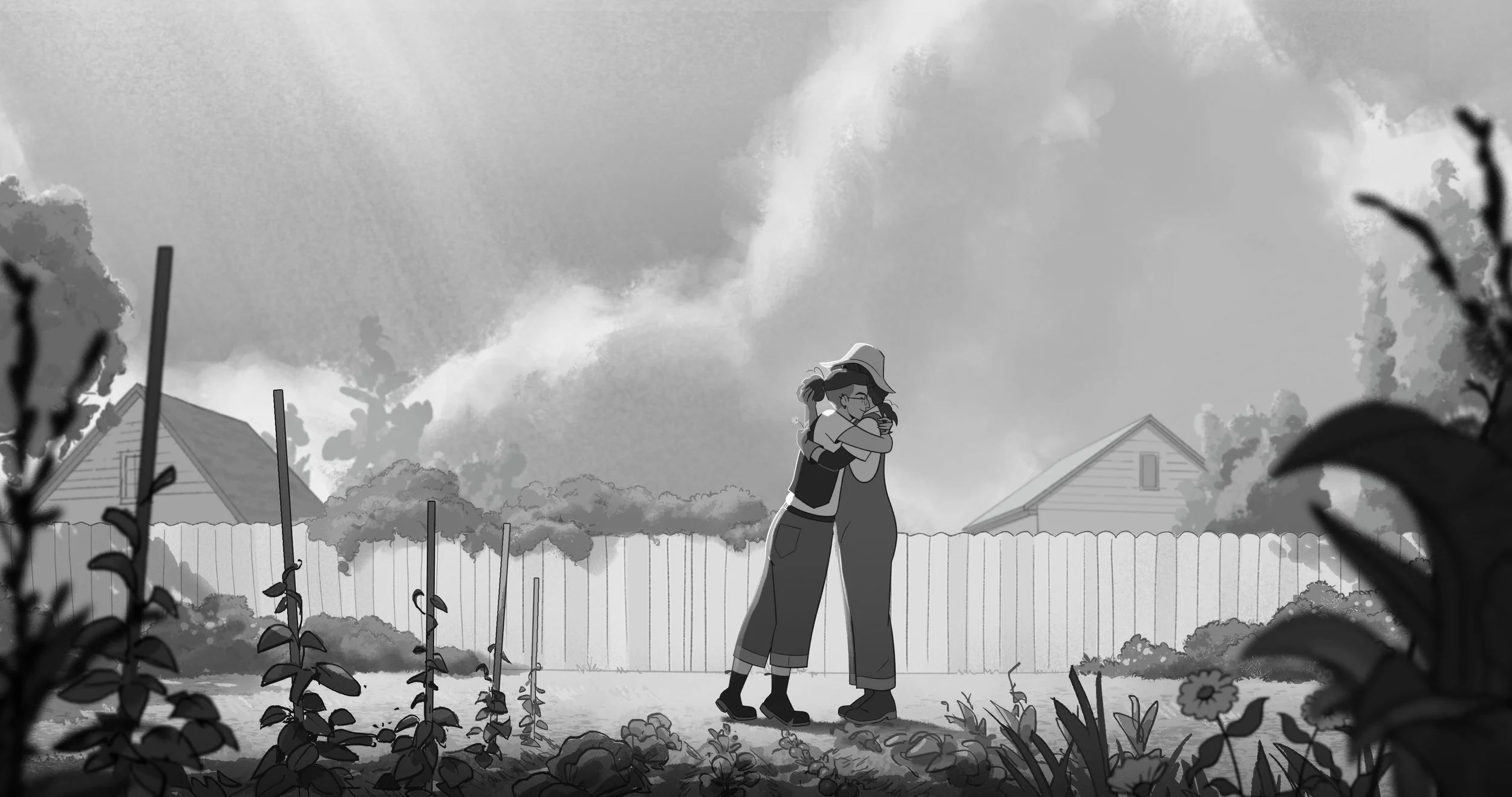
Read MoreLeah Nelson and Sarah Leavitt shows us the labour of love, loss, and life in striking film Tangles at the Vancouver International Film Festival 2026.
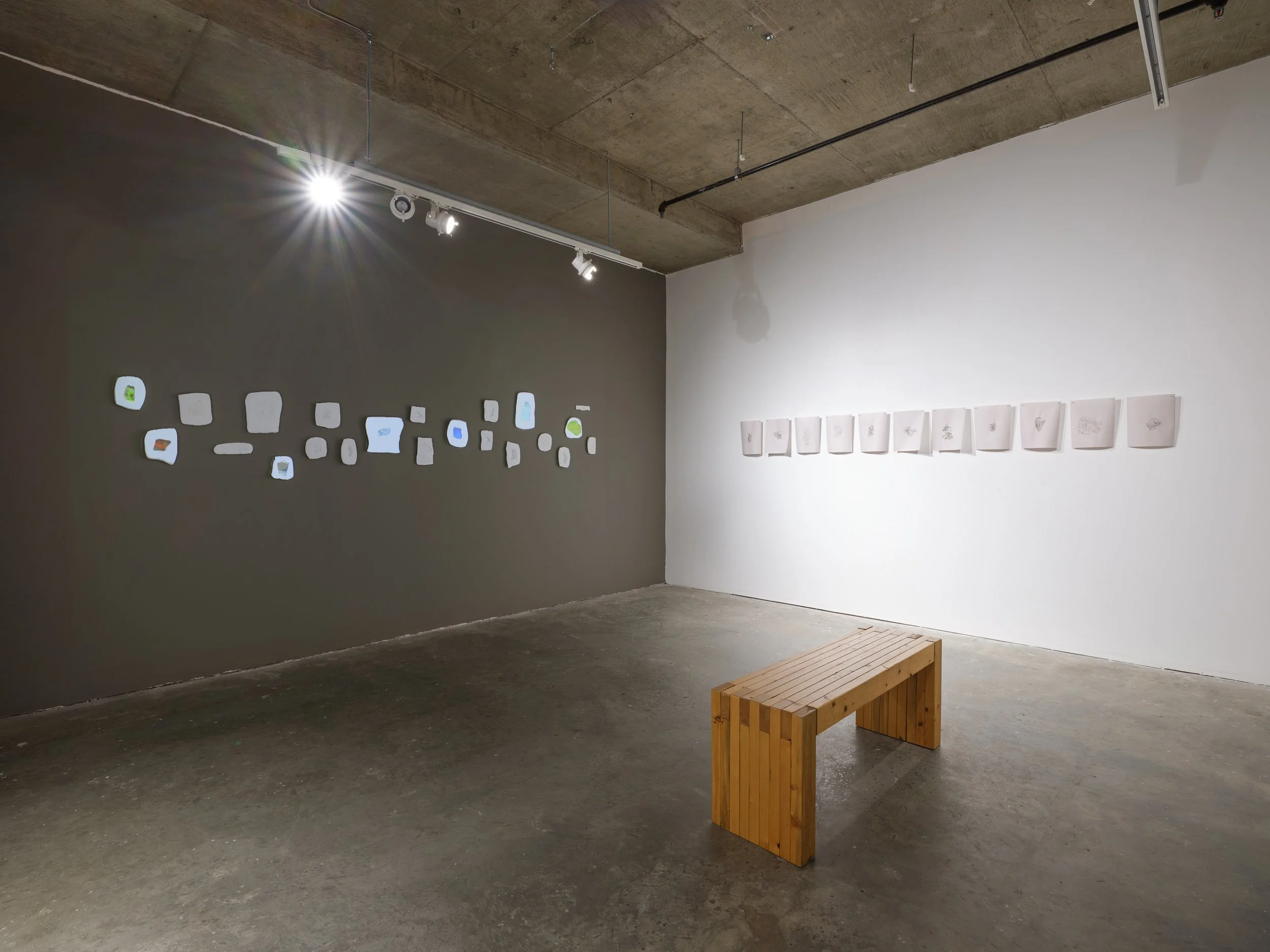
In Experiments in a Failed Repair, an art exhibition that deconstructs and decolonises the monumentalisation of violence, Ghinwa Yassine challenges viewers to confront human violence through the rubble and remains of homes destroyed by war—and to imagine the lives that once existed within them.
Writer Brett Nelson reviews 'The Effect,' the latest production from The Cultch that explores the chemical nature of love and grapples with depression.
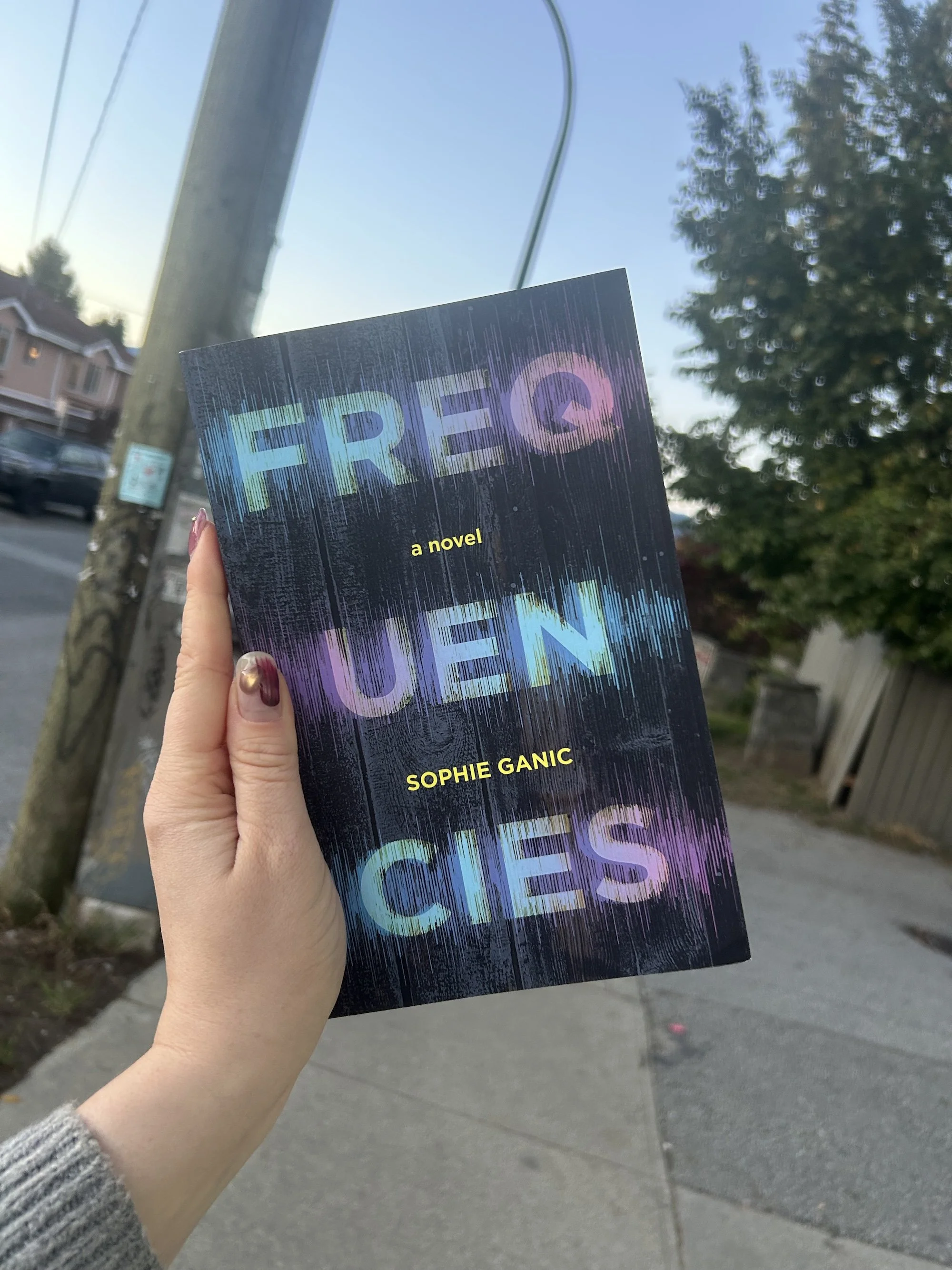
In this review of Frequencies: A Novel, Sophie Ganic’s debut, we explore a chilling blend of dystopian science fiction and feminist horror. Set in the aftermath of a deadly global outbreak, the novel examines isolation, psychological unraveling and past trauma.
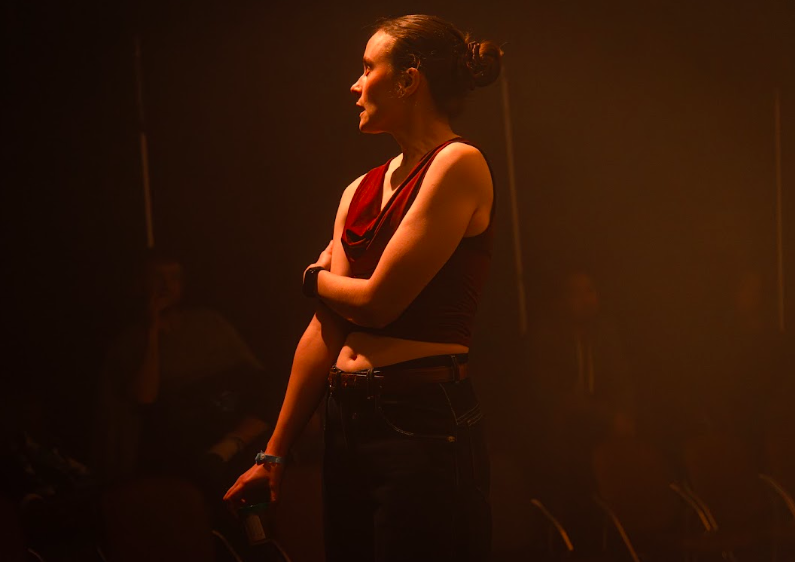
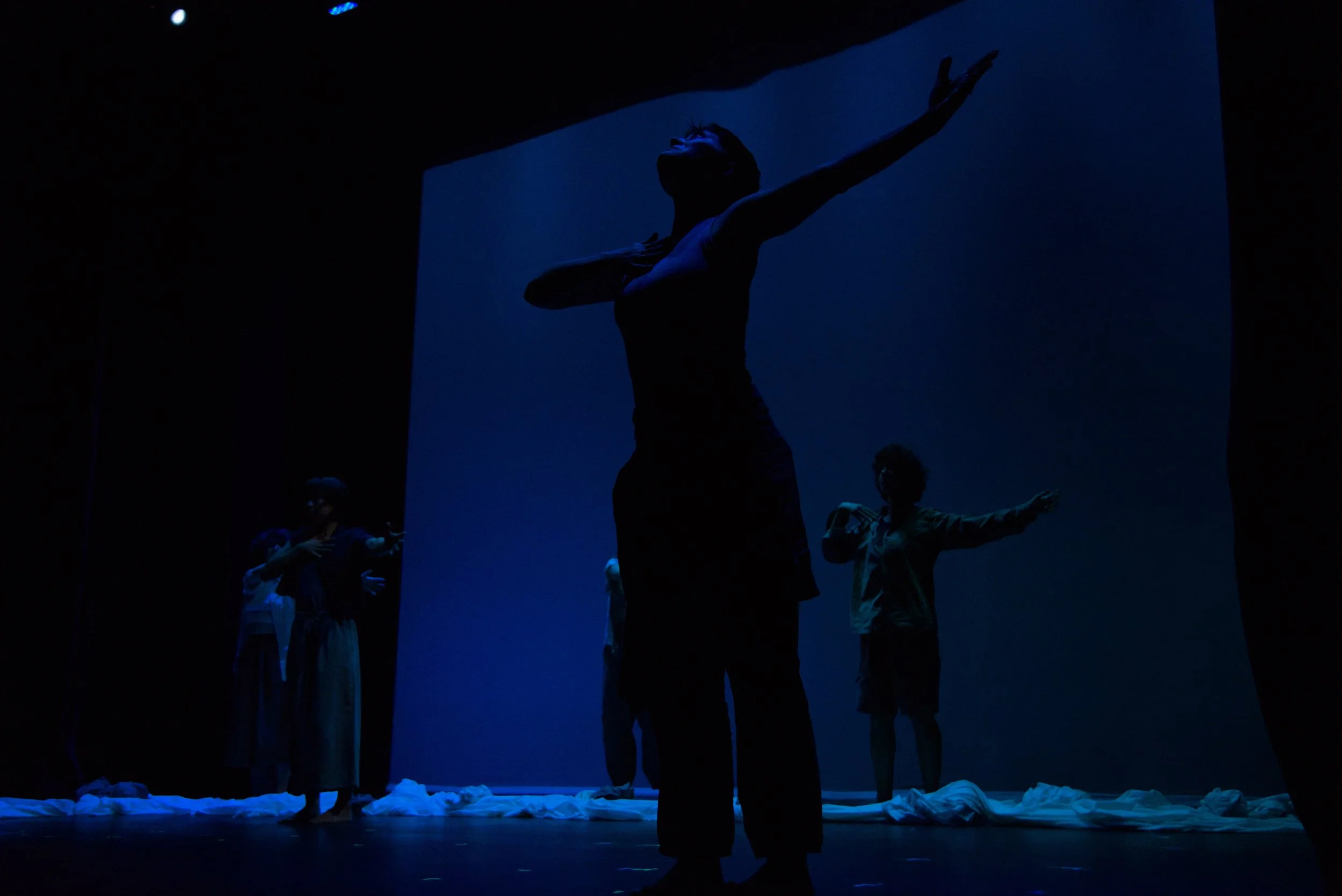
Jill Goranson and Kelsi James presents Burn Blue, a multidisciplinary performance, at the 2026 Vancouver Fringe Festival, exploring water, memory, migration and colonisation, and the meaning of home through dance, music, poetry, and puppetry.