From Horn to Home and Exhibition from The Black Arts Centre
/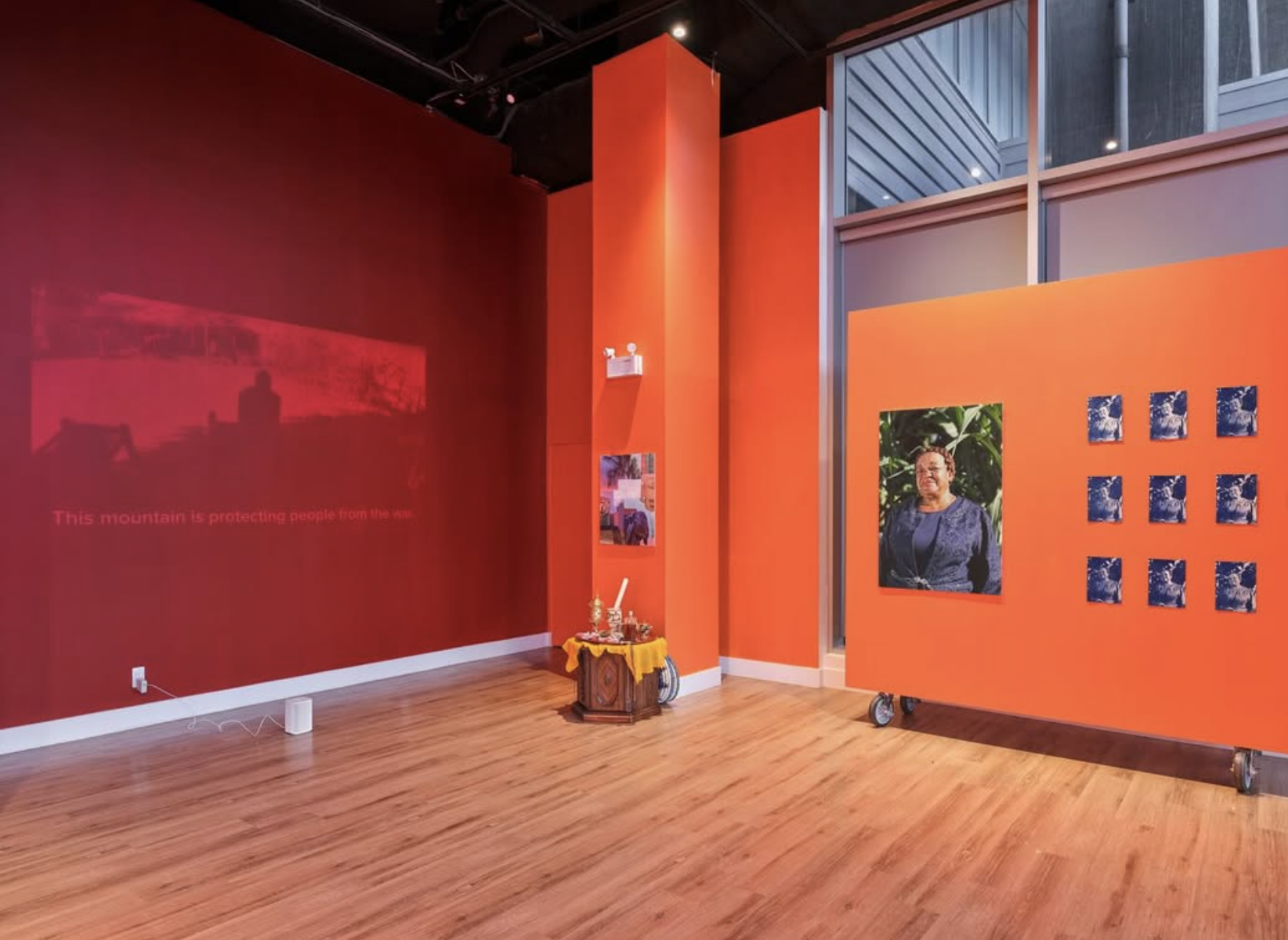
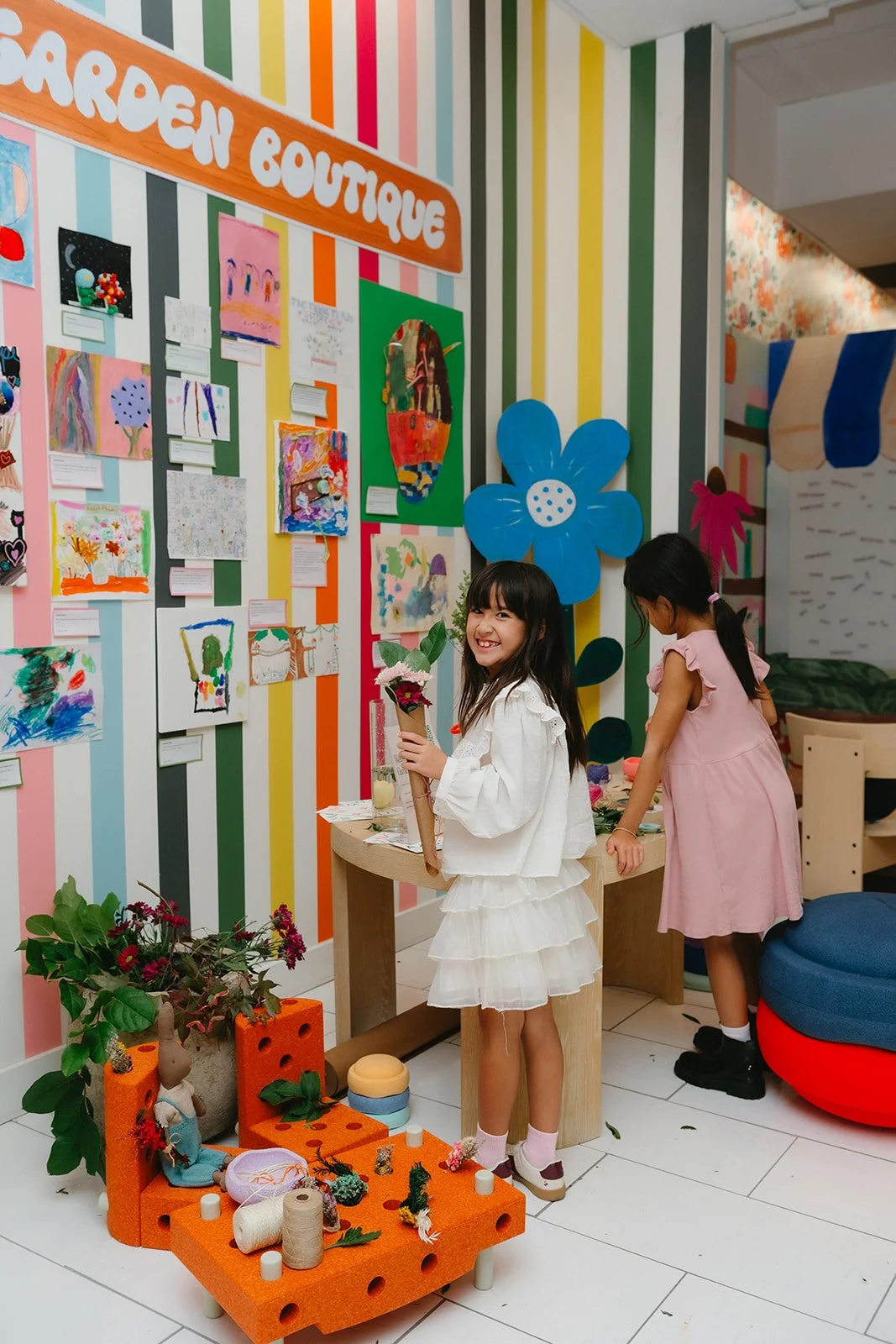
photography by dennis ha, image taken from the black arts centre instagram.
Located in the easternmost part of mainland Africa and situated along the boundary of the Red Sea is the world’s fourth largest peninsula, known colloquially as the Horn of Africa. Although officially composed of Somalia, Djibouti, Ethiopia and Eritrea, many definitions also include Sudan and Kenya. The horn is a region of much geopolitical, environmental, and strategic importance. For decades, the area has been marred by complicated conflict (racial, regional and resource-related), heavily shaped by outside powers, and poorly-covered by most press outlets. Resulting in millions of Horner Africans killed, starved and forcibly displaced, fearing for themselves, their friends, and their families.
As any migrant, asylum-seeker, refugee or diasporic individual can tell you, leaving everything and everyone you’ve ever known behind and migrating to land unknown to begin to rebuild life anew can be one of the most-harrowing experiences of a person’s life. “Home becomes something stronger and stranger than an ordinary memory” when migration journeys are so often accompanied by a complex, bittersweet type of double-consciousness or fragmentation of ideas of home, self and belonging. It’s these fragmented thoughts, feelings and experiences guest curators DDB Media attempt to unpack and explore in the Black Arts Centre’s latest exhibition “From Horn to Home”, extended until March 28th.
“[...] Home is a collection of smells, prayers, sounds, feelings and flavours. This internalized Home lives within us, and many of us have had no choice but to bring our “home” with us through movement and migration. And when it’s time to return to that home, we find it altered by time, by war, by survival. Now, the Home we held so close to our hearts doesn’t exist anymore and we’re left feeling like a visitor in our own home. [...]”
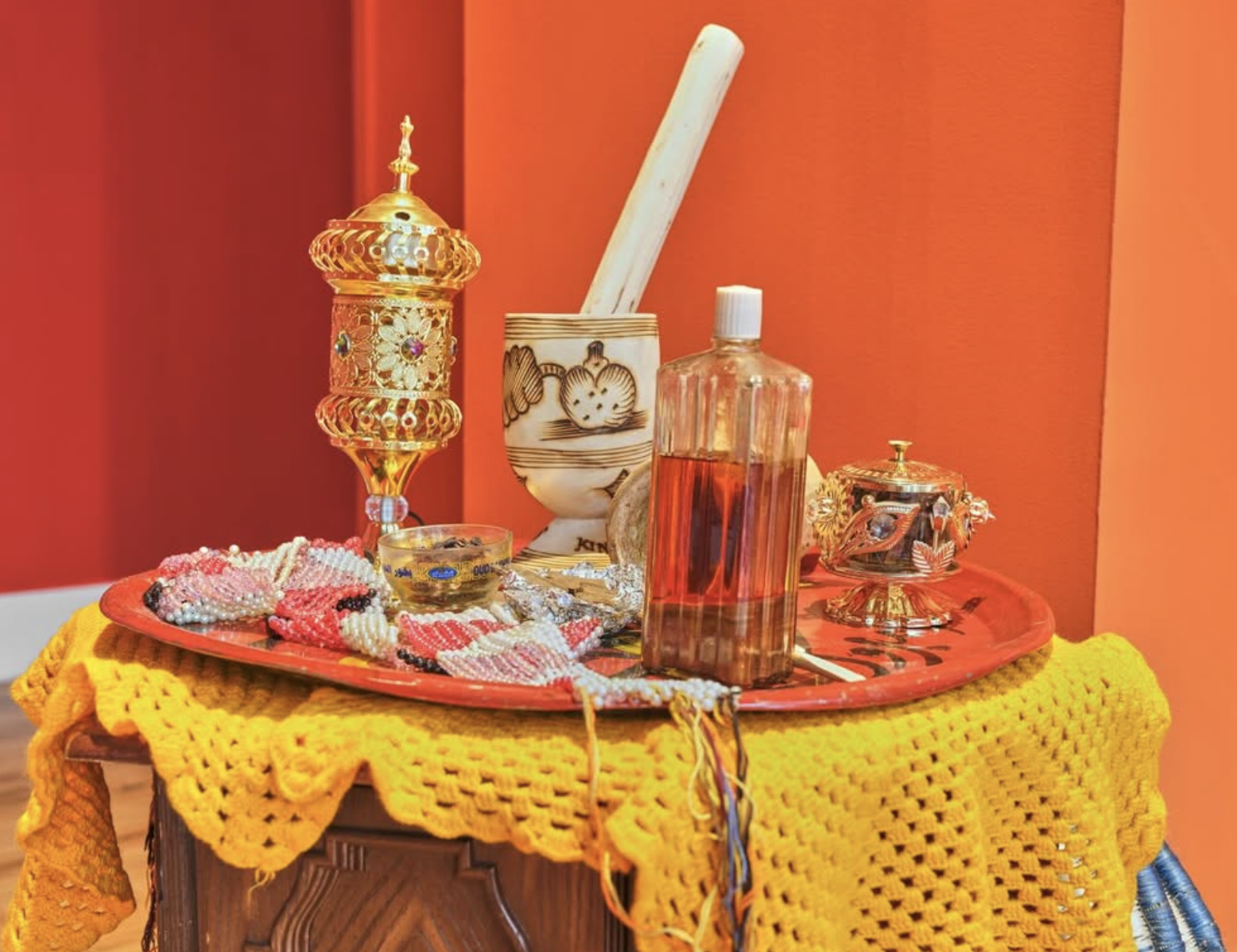
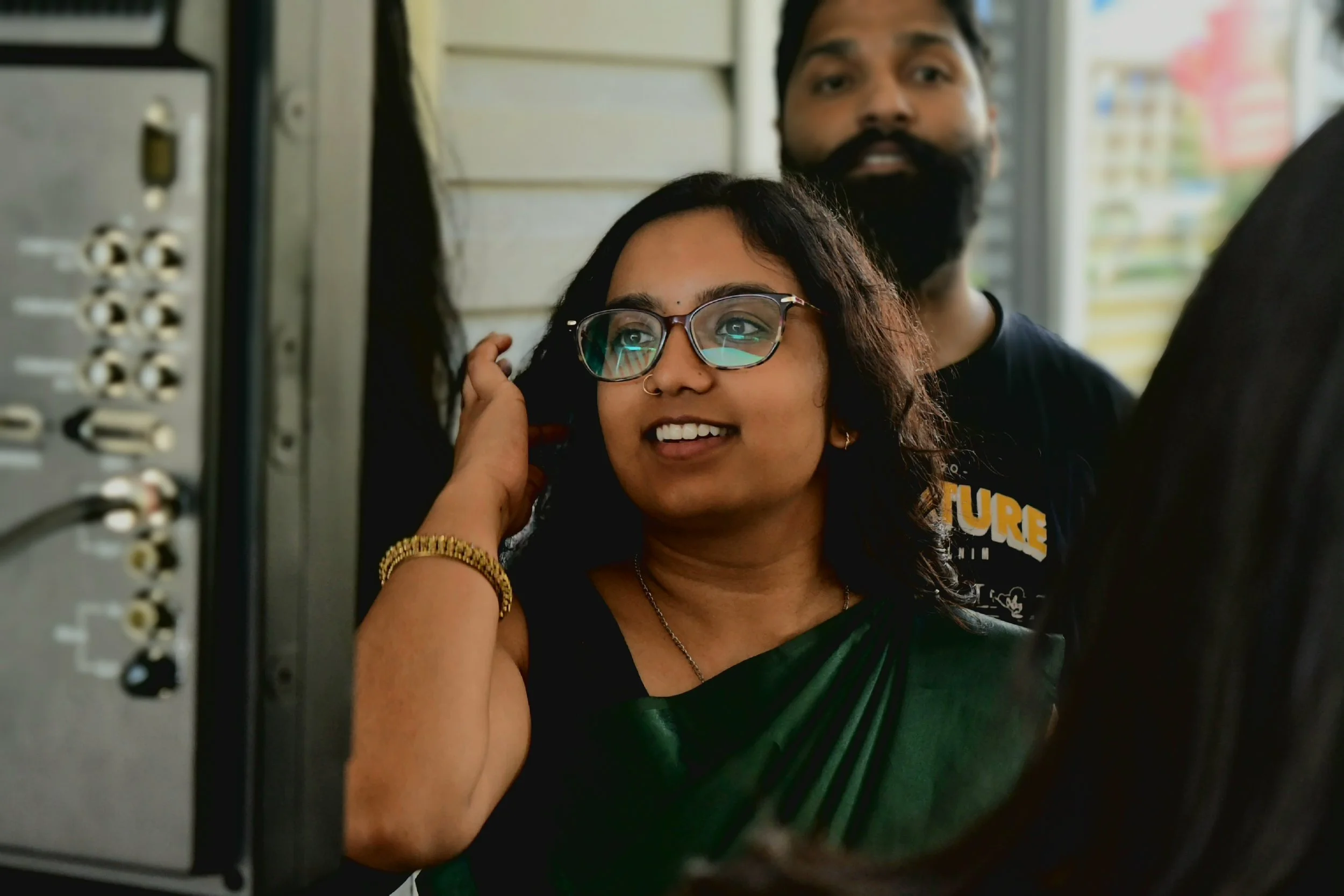
photography by dennis ha, image taken from the black arts centre instagram.
DDB Media, is a multimedia cooperative made up of young Black creatives, many of which are of Sudanese-descent, working to highlight Black and BIPOC artists and stories. Through videography, photography and other new media technologies, they hope to inspire other youth through their work and foster a community of creatives. Like the Black Arts Centre, DDB Media was born out of the Solid State Community Industries, a network and incubator of cooperatives by racialized, migrant, and youth individuals. After hosting a number of their own community events, releasing a documentary and conducting a project on addressing anti-Blackness in art spaces with local artists, arts workers and community leaders like Denise Ryner, Vanessa Richards and Becky Bair, a foray into more formal curation feels like a natural progression.
With a focus on East Africa, in From Home to Horn artists Manar Abbre, Tutu Elradi, Remas Elradi & Saliema Maki (DDB), Khadija Issa, Rahma Muktar and Stephen Waithaka Ng’ang’a express their internalized ideas of home through the mediums of poetry, language, photography and video work. Viewers are invited to reflect on and connect with their “home” within, one that may have been forgotten.
This exhibition exists as a testament to art’s role in preserving culture, history and collective memory in the face of imperialism, amplifying the voices of people and artists documenting their own unfolding stories and histories. Through intimate scenes of daily life, from talking to your grandmother, to Eritrean/Ethiopian coffee-making rituals to talking to neighbourhood kids while exploring the Nuba Mountains, the exhibition positions artists as both creators and witnesses. Whether they are present physically or not, these artists are archiving their cultures and communities as they continue to change and transform under extraordinary pressures and as existing archives and knowledge keepers are lost to the ravages of war and violence. The result is a chronology of movement, protest, revolution, grief and hope.
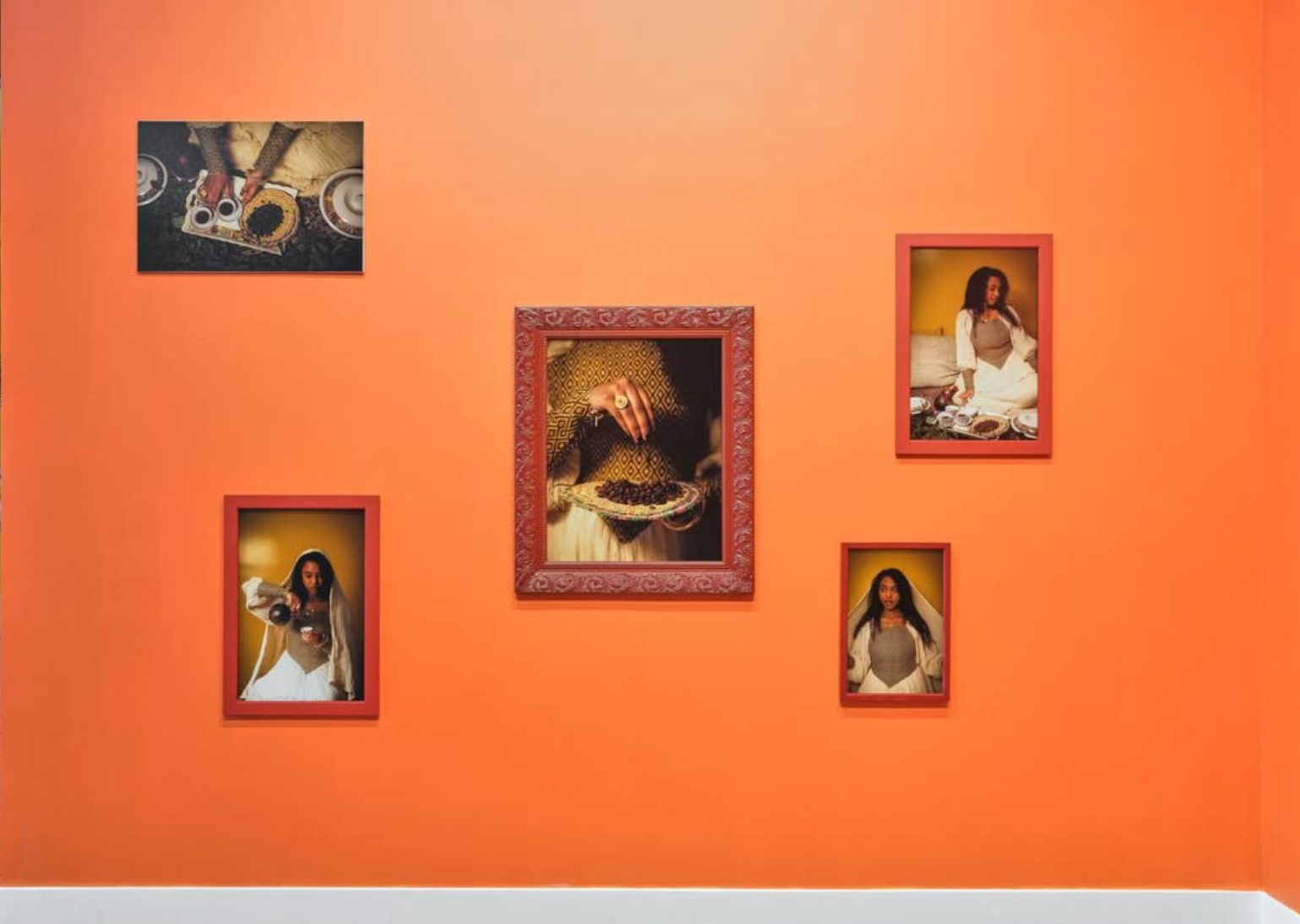
photography by dennis ha, image taken from the black arts centre instagram.
War and conflict like the one in Sudan produce competing, confusing narratives, with many government and mass media sources entangled with propaganda, political agendas and distortion. Under the oppressive cultural politic, for over 30 years of repressive cultural rule, art that promoted different, liberal or inclusive ideologies was confined to private art studios and foreign cultural institutions. The simple act of making art became a form of resistance. However, in 2018 and 2019, widespread frustration with the regime from the Sudanese people erupted into mass protests known as the Bread Revolution. Artists and creatives played a central role in the uprising with murals spread across Khartoum’s walls, protest posters circulated widely, and chants composed by poets, singers, and performers echoing through the streets. Demonstrators even put up a stage outside the military headquarters in the capital, where concerts continued for weeks during the sit-in. The movement sparked an arts and cultural revival, and in the months following Omar al-Bashir’s removal from power, dozens of new galleries opened their doors. This exhibition and the people and culture it is inspired by remind us that amidst the world’s various struggles for power are the everyday people and artists fighting for change, peace and an end to the mass suffering.
The From Horn to Home exhibition will be running until March 28th, 2026 at the Black Arts Centre. Stay tuned to their website, social media and newsletter for film screenings, performances and additional accompanying programming.
Vanessa Fajemisin (she/her) is a writer, DJ, curator and cultural producer living, working and playing on the shared, unceded, ancestral territories of the xʷməθkʷəy̓əm (Musqueam), Sḵwx̱wú7mesh (Squamish), and səlilwətaɬ (Tsleil-Waututh) Nations, also known as “Vancouver”.
Writing across art, (digital) culture, and critical thinking since 2019, much of her practice explores the intersections between Blackness, visual media, music, various subcultures and sociopolitical theories. Much of her curatorial practice is focused on exploring the politics and poetics of Black digital-diasporic visuality through a variety of interdisciplinary mediums and methods. As a cultural producer, she designs experiences and programming that explore “listening” across senses, spaces and mediums. She is a senior writer at Tokyo-based online magazine Sabukaru.online with work in Rizzoli Publications (AMBUSH), Art Asia Pacifc, Nike and more. She also is a DJ resident of Accra-based Oroko Radio and 1/3 of local creative collective of MADE BY WE. In her spare time she enjoys dog-sitting, stand-up paddleboarding and collecting rare or vintage physical media. She is the recipient of the CANIE 2021 Black Entrepenuer Award and the Surrey Board of Trade’s ’25 under 25’ Award.